



Single Post
27/03/2026
0 Comments
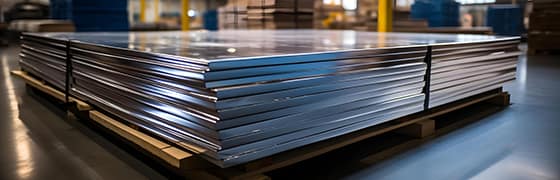
In the world of metallurgy and global construction, flat steel stands as one of the most versatile and essential product categories. From the sleek body panels of modern electric vehicles to the massive structural components of industrial warehouses, flat steel is the silent force driving architectural and mechanical innovation. At Acemar, we specialize in bridge-building between high-quality producers and diverse industries. Our expertise in sourcing, financing, and delivering flat steel globally ensures that your production lines never miss a beat. In this guide, we dive deep into the types, applications, and strategic advantages of high-grade flat steel solutions.
What is Flat Steel? Understanding the Basics
Flat steel is produced through the rolling of slabs—large, semi-finished blocks of steel. Depending on the temperature and the rolling process used, these slabs are transformed into sheets, coils, or plates with varying thicknesses and properties. The primary characteristic of Acemar’s flat steel portfolio is its incredible surface quality and dimensional accuracy, making it ideal for precision engineering.
Key Types of Flat Steel and Their Applications
The term “flat steel” encompasses several distinct products, each tailored for specific industrial environments:
1. Hot Rolled Coils and Sheets (HRC)
Hot rolling occurs at temperatures above the recrystallization point, making the steel easier to form and work with.
-
Best For: Structural applications, shipbuilding, pressure vessels, and heavy machinery where high strength is required but surface finish is less critical than durability.
2. Cold Rolled Coils and Sheets (CRC)
Cold rolling is a secondary process that occurs at room temperature. This results in steel with superior surface smoothness, tighter thickness tolerances, and increased strength through strain hardening.
-
Best For: Automotive bodies, household appliances (white goods), metal furniture, and high-end electronics.
3. Galvanized and Coated Steel
To prevent corrosion, flat steel is often coated with a layer of zinc (galvanization) or organic paints (pre-painted/PPGI).
-
Best For: Outdoor construction, roofing, HVAC systems, and any environment exposed to moisture or corrosive elements.
4. Heavy Plates
When thickness exceeds standard sheet levels, flat steel becomes “heavy plate,” offering immense load-bearing capacity.
-
Best For: Bridge construction, offshore wind towers, and large-scale industrial boilers.
Why Flat Steel is Critical for the Supply Chain
For manufacturers, the choice of a flat steel supplier is a strategic decision that affects the entire lifecycle of a product.
Material Efficiency and Waste Reduction
Modern flat steel production focuses on high-strength, low-alloy (HSLA) grades. These materials allow engineers to use thinner sheets without compromising structural integrity, leading to lighter final products and reduced material waste.
Customization and Versatility
Flat steel can be slit, cut-to-length, or stamped into nearly any shape. This versatility allows industries to streamline their manufacturing processes, moving from raw coil to finished component with minimal intermediate steps.
Navigating Global Trade Challenges in Flat Steel
The global trade of flat steel is subject to complex dynamics, including fluctuating raw material costs, trade barriers, and logistical hurdles. Partnering with a global trading house like Acemar provides several key advantages:
-
Risk Mitigation: We offer financial tools to hedge against the volatility of steel prices, ensuring budget predictability for long-term projects.
-
Quality Assurance: Every batch of flat steel we source undergoes rigorous inspection to ensure it meets international standards (such as ASTM, EN, or JIS).
-
Logistical Precision: Flat steel coils are heavy and sensitive to moisture. Our logistics team utilizes specialized packaging and maritime solutions to ensure your cargo arrives in pristine condition.
The Future: Sustainable Flat Steel Production
As the world moves toward a net-zero future, the demand for “Green Flat Steel” is skyrocketing. This involves using Electric Arc Furnaces (EAF) powered by renewable energy and increasing the ratio of recycled scrap in the production process. Acemar is at the forefront of this transition, connecting sustainability-conscious buyers with producers who prioritize low-carbon footprints.
Why Choose Acemar for Your Flat Steel Needs?
Sourcing flat steel requires a partner who understands both the technical specifications and the global market movements. Acemar offers:
-
Global Network: Access to top-tier mills across Europe, Asia, and the Americas.
-
Tailored Solutions: Whether you need standard HRC or specialized pre-painted coils, we provide the exact specifications for your project.
-
End-to-End Management: From trade finance to final delivery at your warehouse, we handle the complexity so you can focus on growth.
Engineering the Future with Flat Steel
From the foundations of our cities to the vehicles we drive, flat steel remains an irreplaceable asset of modern civilization. Its strength, adaptability, and increasing sustainability make it the material of choice for the next generation of industrial breakthroughs.
Secure your supply chain with the reliability and expertise of a global leader. Explore our Full Range of Flat Steel Products and let us help you build the future today.